
Understanding the Reality of Composite Deck Safety
Anti slip coating for composite decking is a key solution for a common problem: even “low-maintenance” decks can become surprisingly slippery. While composite decking resists rot and splinters, it’s not immune to slipperiness from rain, biofilm, or debris.
Quick Answer: Top Anti-Slip Solutions for Composite Decking
- Anti-slip coatings – Clear sealers with aggregate or textured paints that add traction (Static Coefficient of Friction: ≥0.85 wet)
- GRP decking strips – Mechanically fixed strips with a gritty surface (Pendulum Test Value: 60-82 wet)
- Preventive measures – Choose textured composite boards with embossed or grooved finishes (PTV 36+ required)
- Regular maintenance – Clean away debris, biofilm, and moisture that create slippery conditions
The good news is that you can significantly improve your deck’s safety. Understanding why your deck becomes slippery is the first step to solving the problem effectively.
I’m Matt Strunk, co-founder of Cedar Creek Construction. I’ve helped many homeowners in the Lehigh Valley transform their decks into safe outdoor living spaces. This guide will walk you through everything you need to know to protect your family and guests from slips and falls.
Why Your Composite Deck Becomes a Slip Hazard
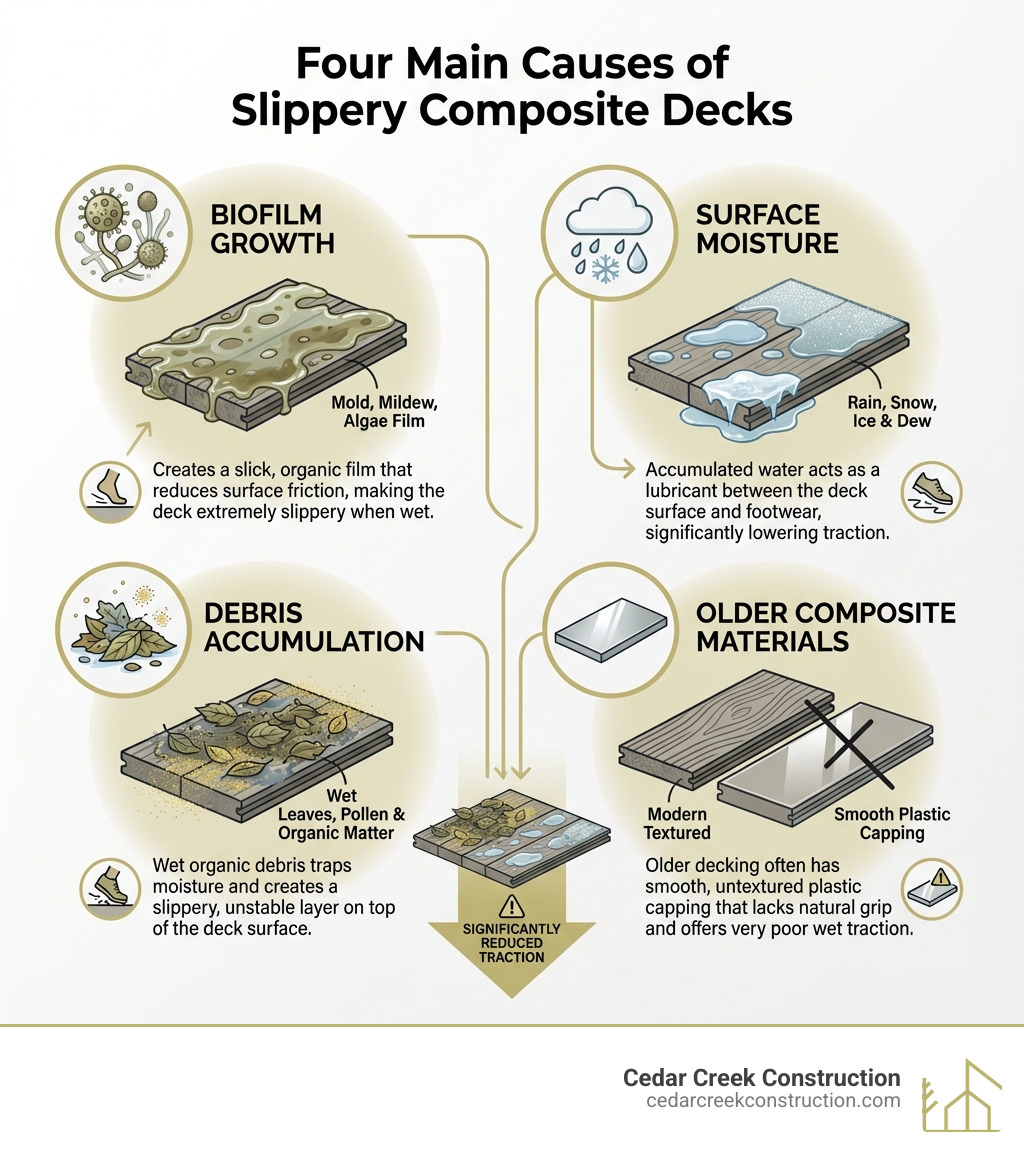
Even the most beautiful composite deck can become a slip hazard. While celebrated for durability, composite isn’t immune to the natural causes of slick surfaces. Understanding these culprits is key to keeping our outdoor spaces in the Lehigh Valley safe.

The primary reasons your deck becomes slippery are:
- Biofilm Growth: Mold, mildew, and algae are the most common culprits. These organisms thrive in damp, shaded areas, forming a slimy film on the deck surface that drastically reduces traction.
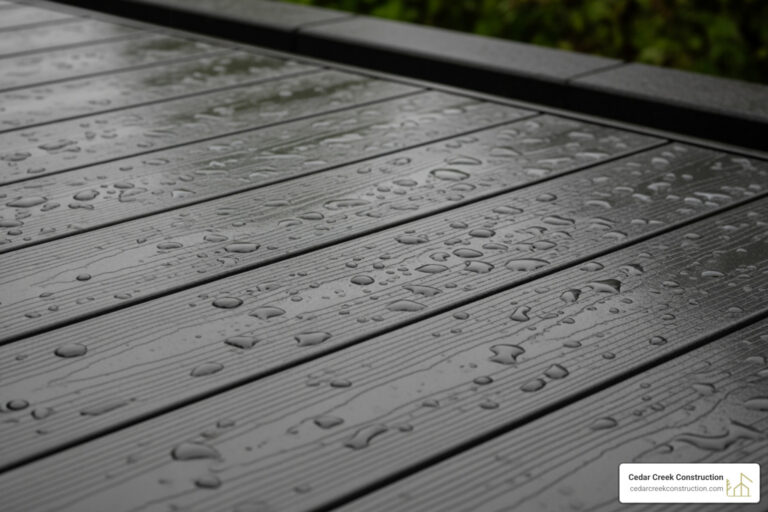
- Surface Moisture: Rain, snow, ice, and even morning dew act as lubricants, reducing the friction needed for secure footing. Frozen moisture is especially treacherous.
- Debris Accumulation: Wet leaves, pollen, and other organic matter create a slick layer. This debris also traps moisture and encourages biofilm growth, worsening the problem.
Compared to wood, the slipperiness of composite decking is nuanced. Older, smooth-capped composite decks were often slippery. However, modern composite materials are engineered with textures for superior slip resistance. While porous wood can sometimes offer grip when wet, it’s also more prone to biofilm growth and rot, creating different safety hazards.
Preventing slips starts with recognizing these hazards. For those in Center Valley, Coopersburg, or Allentown considering a new deck, we at Cedar Creek Construction can guide you in selecting the best materials. Find more about your options by visiting our guide on How to Choose the Best Material for Your New Deck.
Proactive Measures for a Slip-Resistant Deck
You can take many proactive steps to keep your composite deck safe and enjoyable year-round, from choosing the right material to performing diligent maintenance.
Inherently Slip-Resistant Decking
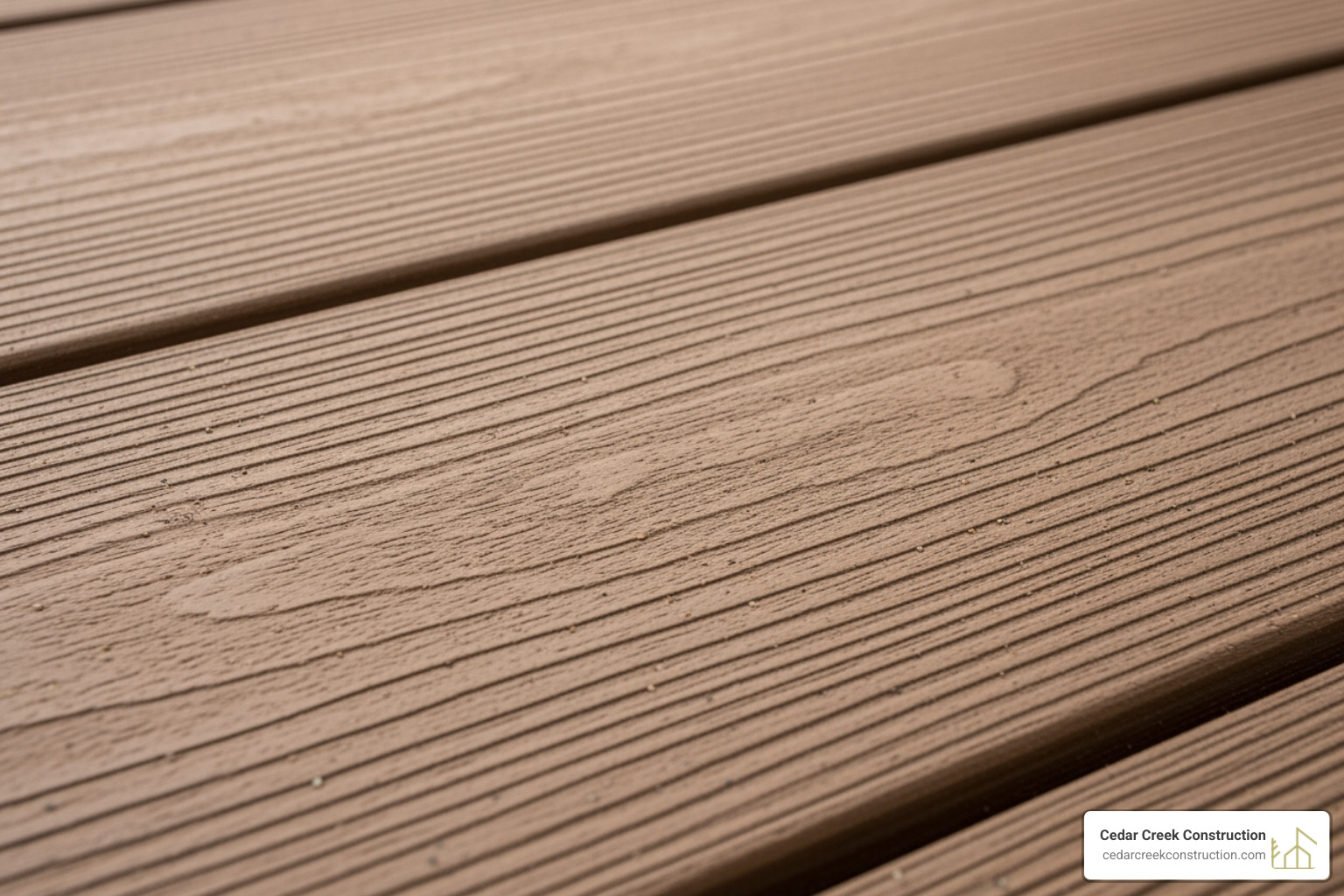
A safer deck begins with the material itself. Modern composite decking has evolved to include features that improve grip.
- Embossed Textures: Look for boards with embossed wood grain patterns. These create a varied surface that provides better grip, especially when wet.
- Grooved Finishes: Some boards feature grooves that channel water and increase traction. Reversible boards may offer different groove patterns on each side.
These design innovations make modern composite decking an inherently anti-slip choice. Learn more about its advantages by reading What Makes Composite Decking Ideal for Your Home?.
Safety Standards and Pendulum Test Value (PTV)
The Pendulum Test Value (PTV) is a key metric for measuring a surface’s slip resistance. For a surface to be considered slip-resistant, it must have a PTV of 36 or higher. High-quality composite decking can achieve PTV ratings of 53 or more even in wet conditions, indicating an excellent level of safety.
Regular Maintenance for Ongoing Safety
Even the best decking requires maintenance to stay safe.
- Regular Cleaning: Periodically wash your deck with mild soap and water to prevent biofilm buildup. For stubborn algae, a mixture of white vinegar and baking soda can work, but always test a small area first.
- Debris Removal: Regularly sweep or blow leaves, pollen, and other organic debris off the deck. This prevents a slick layer from forming when wet.
- Proper Drainage: Ensure water can drain properly. A slight slope, installed from the start, and clear gaps between boards are crucial to prevent water from pooling.
For a comprehensive guide on keeping your outdoor spaces in top shape, refer to The Cedar Creek Maintenance Guide.
A Comprehensive Guide to Anti-Slip Coating for Composite Decking
If proactive measures aren’t enough, an anti slip coating for composite decking can significantly improve safety. These specialized coatings provide an extra layer of protection against slips and falls.
Benefits of Coatings
Applying an anti-slip coating offers several benefits:
- Improved Traction: The primary advantage is an immediate increase in surface grip, making the deck less slippery, even when wet.
- Peace of Mind: Knowing your deck is safer is especially important for families with children, elderly guests, or pets.
- Improved Durability (for some): Some coatings also offer protection against UV rays and wear, extending the aesthetic life of your deck.
Types of Coatings
There are a few main types of anti slip coating for composite decking:
- Clear Sealers with Aggregate: These transparent coatings contain fine particles (like silica or polymer grit) that create a textured surface without significantly altering the deck’s appearance.
- Textured Paints: These opaque paints have anti-slip additives mixed in. They offer both color and texture, ideal for refreshing an older deck’s appearance while adding grip.
- Anti-Slip Additives: These are granular additives you can mix into your preferred paint or sealer, allowing you to customize the level of grit.
Coating Types and Their Properties
- Clear Sealers with Aggregate:
- Properties: Maintain original deck color, provide subtle texture, often UV resistant.
- Best for: Decks where aesthetics are key; slight to moderate slipperiness.
- Considerations: Requires frequent stirring during application to keep aggregate suspended.
- Textured Paints:
- Properties: Opaque finish, provides color and strong texture, durable.
- Best for: Decks needing a color refresh; significant slipperiness.
- Considerations: Completely alters deck appearance; may show wear in high-traffic areas.
- Mix-in Additives:
- Properties: Versatile, allows customization of grit level.
- Best for: Use with preferred paints/sealers.
- Considerations: Requires careful mixing for even distribution.
Potential Downsides
- Appearance Changes: Even clear coatings can add a slight sheen. Textured paints will completely change the look.
- Longevity Concerns: Outdoor coatings wear down over time from UV rays, moisture, and foot traffic, requiring reapplication.
- Warranty Impact: This is critical. Applying a coating can void your deck’s warranty. Always consult your decking manufacturer first for approved products.
If you have concerns about your existing deck, our team at Cedar Creek Construction is ready to help. We also offer expert Deck Repairs to ensure your deck is structurally sound before coating.
How to Apply an Anti-Slip Coating for Composite Decking
Correct application is crucial for effectiveness and longevity.
- Prepare the Surface: This is the most critical step. The deck must be completely clean, dry, and free of debris, mold, or grease. Start by sweeping, then wash the deck with a composite-safe cleaner or mild soap and water. Rinse thoroughly and let it dry completely (24-48 hours). Address any necessary Deck Repairs before you begin.
- Gather Your Tools: You’ll typically need a short-nap roller or sprayer, paint trays, stir sticks, painter’s tape, and protective gear (gloves, safety glasses).
- Follow Manufacturer Instructions: Each product has specific instructions for mixing, temperature, application, and drying times. Follow them precisely to avoid poor adhesion or premature failure. Stir coatings with aggregate frequently.
- Apply Thin, Even Coats: Two thin coats are better than one thick coat. This ensures better adhesion and a more uniform finish. Allow for the recommended drying time between coats.
- Allow Adequate Drying Time: Respect the full curing time before allowing foot traffic or replacing furniture. This ensures the coating fully hardens and bonds to the surface.
For general non-slip deck paint options, you can explore offerings at stores like Non Slip – Deck Paint – The Home Depot . Always verify product compatibility with composite decking.
Evaluating the Long-Term Effects of an Anti-Slip Coating for Composite Decking
Consider the long-term implications before applying a coating.
- Durability and Reapplication: The lifespan depends on product quality, traffic, and weather. Expect to reapply every few years to maintain effectiveness.
- Peeling or Flaking: Improper surface prep is the main cause of peeling and flaking, which compromises both the look and safety of the deck.
- Cost-Effectiveness: While a coating is cheaper upfront than deck replacement, the recurring cost of reapplication can add up. Compare this to the one-time investment in high-grade, textured composite decking.
- Trapped Moisture: A non-breathable coating can trap moisture, leading to bubbling or mold growth underneath. Choose a quality, breathable product.
- Maintenance: Coated surfaces may require specific cleaning methods. Ensure your cleaning routine is compatible with the coating and your deck manufacturer’s guidelines, like those from Trex.
Alternative Anti-Slip Solutions
Coatings are popular, but they aren’t the only way to improve deck safety. Several other effective options are available.
| Solution Type | Effectiveness | Aesthetics | Cost (Relative) | Installation |
|---|---|---|---|---|
| Anti-Slip Coatings | Good (PTV can vary) | Can alter appearance (sheen, color, texture) | Medium | DIY-friendly, requires prep and drying time |
| Decking Strips (GRP) | Excellent (PTV 60-82 wet for some products) | Visible strips, can be color-matched | Medium-High | Mechanical fixing, requires drilling |
| Non-Slip Stair Treads | Excellent (especially for stairs) | Integrated or add-on, can be high-contrast | High | Often DIY, can involve adhesive or mechanical fix |
| Interlocking Mats | Good (instant traction) | Functional, less integrated look | Low-Medium | Lay-down, temporary |
| Outdoor Runners | Good (for pathways) | Can be decorative, but may shift | Low | Lay-down, temporary |
Anti-Slip Decking Strips
These are an excellent retrofit solution, especially for high-traffic areas.
- GRP Strips: Made from Glass Reinforced Plastic, these durable strips have a coarse, gritted surface for superior traction. They are mechanically fixed to the deck, offering a secure, long-lasting solution with excellent slip resistance ratings. An example is the Anti-Slip Decking Strip | NeoTimber® Composite Decking , which is designed to fix onto composite boards.
Non-Slip Stair Treads
Stairs are the most hazardous part of a deck. Non-slip stair treads provide targeted grip where it’s needed most.
- ComposiGrip: Products like those from Composite Non Slip Stair Treads | Slip Resistant | ComposiGrip offer premium composite stair solutions engineered for durability and slip resistance. They are often easy to install and cut to size.
Interlocking Mats and Outdoor Runners
For a less permanent solution, mats and runners are effective.
- Interlocking Mats: These rubber or plastic mats can be laid in specific high-traffic zones. They are easy to install, remove, and clean.
- Outdoor Runners: Runners provide a non-slip path along the deck. They come in various designs but may require adjustment to stay in place.
These alternatives offer flexible and targeted slip resistance for any composite deck in the Lehigh Valley.
Frequently Asked Questions about Deck Safety
We often get questions from homeowners in the Lehigh Valley about deck safety. Here are some common inquiries.
Is composite decking more slippery than wood?
Not necessarily. While older, smooth composite decks could be slippery, modern boards are designed with embossed or grooved textures for better traction. Wood is porous and prone to deep-seated biofilm growth that makes it very slick. Capped composite decking repels moisture and is easier to clean, often making it the less slippery option when properly maintained. For more details on how they compare in our climate, see our guide: Trex vs. Wood Decking: What’s the Best Choice for Pennsylvania Weather?.
Can I use anti-slip tape on my composite deck?
Yes, anti-slip tape can be an effective temporary solution, especially for stairs. It provides immediate grip in wet or icy conditions. However, it is a temporary fix. Over time, the adhesive can degrade from sun and foot traffic, causing the tape to peel and create a new tripping hazard. Always check your decking manufacturer’s guidelines, as some adhesives may damage the surface or void your warranty.
How do I safely remove ice from a composite deck?
- Use Plastic Shovels Only: Metal shovels can easily scratch or gouge your composite decking. For light snow, a broom is often sufficient.
- Avoid Rock Salt: Traditional rock salt (sodium chloride) can leave white stains and corrode fasteners. Abrasive materials like sand can also scratch the surface.
- Use Recommended Ice Melts: We recommend using calcium-chloride-based ice melts, which are effective and generally safe for composite decking. You can find options like Calcium-chloride ice melts at home improvement stores.
- Rinse After Use: Once the ice has melted, rinse the deck with warm water to remove any residue from the ice melt product.
Conclusion: Step Confidently on Your Safe and Secure Deck
A safe deck is essential for protecting your family and guests. We’ve covered how to prevent slips, from choosing textured decking and performing regular maintenance to applying an anti slip coating for composite decking or using alternatives like GRP strips.
The best approach is proactive: start with slip-resistant materials and keep your deck clean. When you need extra grip, choose a quality solution and apply it correctly, always checking your manufacturer’s warranty first.
At Cedar Creek Construction, we’re committed to building beautiful and secure outdoor living spaces for our neighbors in Center Valley and across the Lehigh Valley. If you’re looking to improve your deck’s safety or plan a new project, our team has the expertise to help.
Don’t let a slippery deck ruin your outdoor enjoyment. Contact us today to ensure you can step confidently on a safe and secure deck.
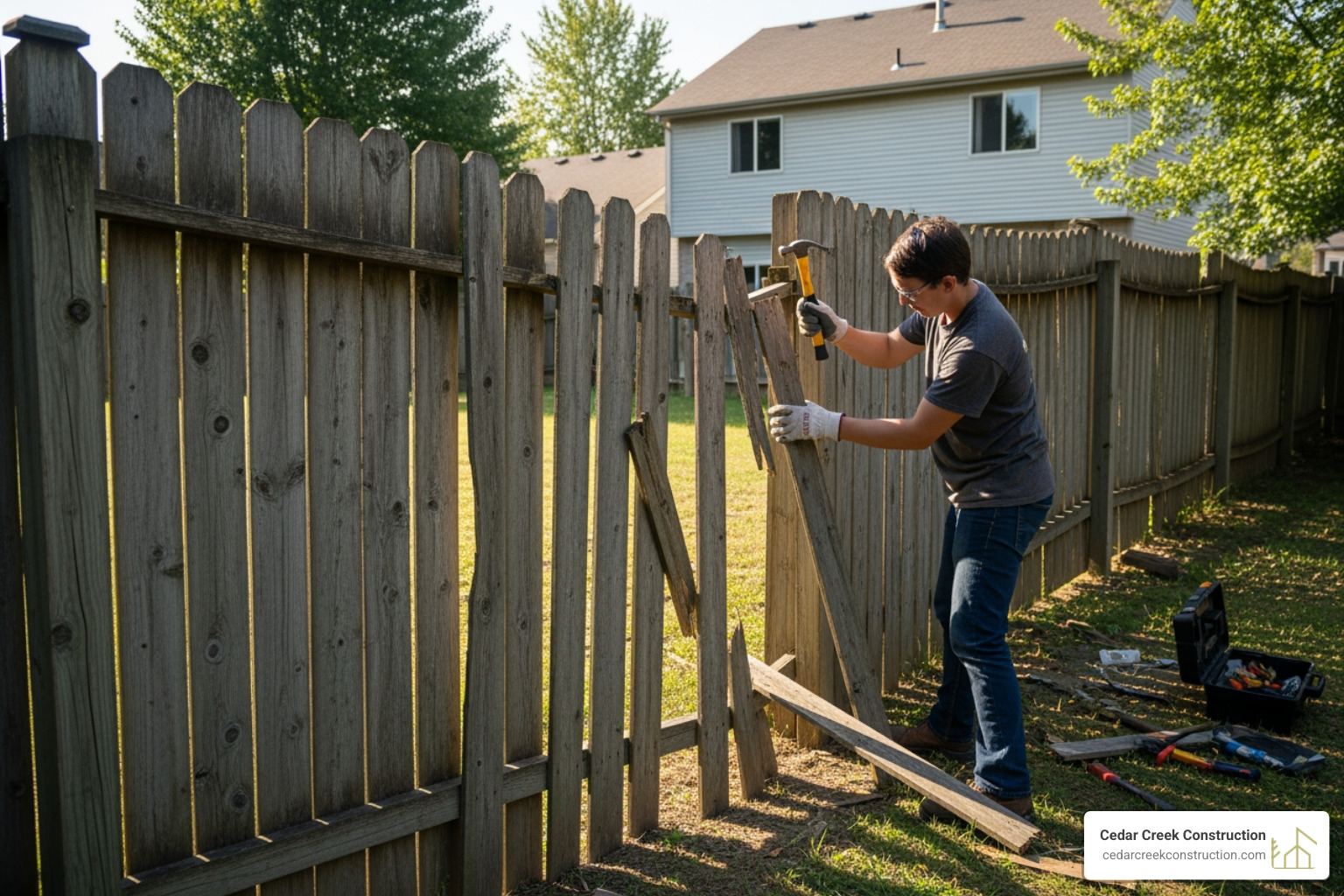 For homeowners in the Lehigh Valley, **fence repair Allentown PA** is a crucial service for maintaining a property's security, curb appeal, and value. From winter storm damage to summer wood rot, finding the right local professionals makes all the difference. **Top-rated fence repair companies serving Allentown, PA:** - **Anchor Fence of the Lehigh Valley** - Serving the region since 1979, offering residential and commercial fencing services - **Montco Fence** - Family-owned since 1971, specializing in all fence types with no subcontractors - **Lehigh Valley Fence Company** - Over 40 years of experience with a 5-year workmanship guarantee - **Allentown Fence Repair** - Opened in 2016 with 30+ years of team experience, offering customized solutions - **Creative Fence Company** - Angie's List Super Service Award winner since 2009 **Common services include:** post repair, panel replacement, gate adjustments, rust treatment, wood rot remediation, and seasonal damage restoration. Your fence is more than a boundary; it provides protection, privacy, and contributes to your home's first impression. A failing fence compromises these benefits and can lower your property value. The Lehigh Valley's climate, with its freeze-thaw cycles and summer humidity, poses unique challenges for all types of fencing. While obvious problems like leaning posts are easy to spot, subtle signs like soft wood, peeling paint, or small gaps also signal that repairs are needed. Catching these issues early saves money and extends your fence's lifespan. Professional fence repair typically costs between **$430 and $4,500**, depending on the damage and materials. Allentown contractors generally charge around **$50 per hour** for labor. This is often far less than a full replacement, especially considering a wood fence lasts about 15 years and vinyl up to 30 with proper care. I'm **Matt Strunk**, co-founder of Cedar Creek Construction. With experience in the industry, I know the importance of quality craftsmanship in protecting your property investment. Our team helps Lehigh Valley homeowners make informed decisions about **fence repair Allentown PA** and other outdoor projects. ## Is Your Fence Failing? Common Damage in the Lehigh Valley The Lehigh Valley's changing seasons are harsh on outdoor structures. The climate in Allentown, PA, and surrounding areas like Coopersburg and Macungie, takes a toll on all fencing materials due to hot, humid summers and cold, snowy winters. One of the biggest culprits is the **freeze-thaw cycle**. As temperatures fluctuate, absorbed moisture freezes and expands, causing cracks and weakening structural integrity, particularly in wood fences. Summer **humidity** accelerates wood rot and rust, while heavy **snow damage** can cause posts and panels to lean or break. **Wind damage** from storms can also knock down entire sections. These environmental factors make regular inspections and timely **fence repair Allentown PA** a necessity for local homeowners. For more insights, check our article on [Signs for Lehigh Valley Homeowners](https://cedarcreekconstruction.com/signs-for-lehigh-valley-homeowners/). 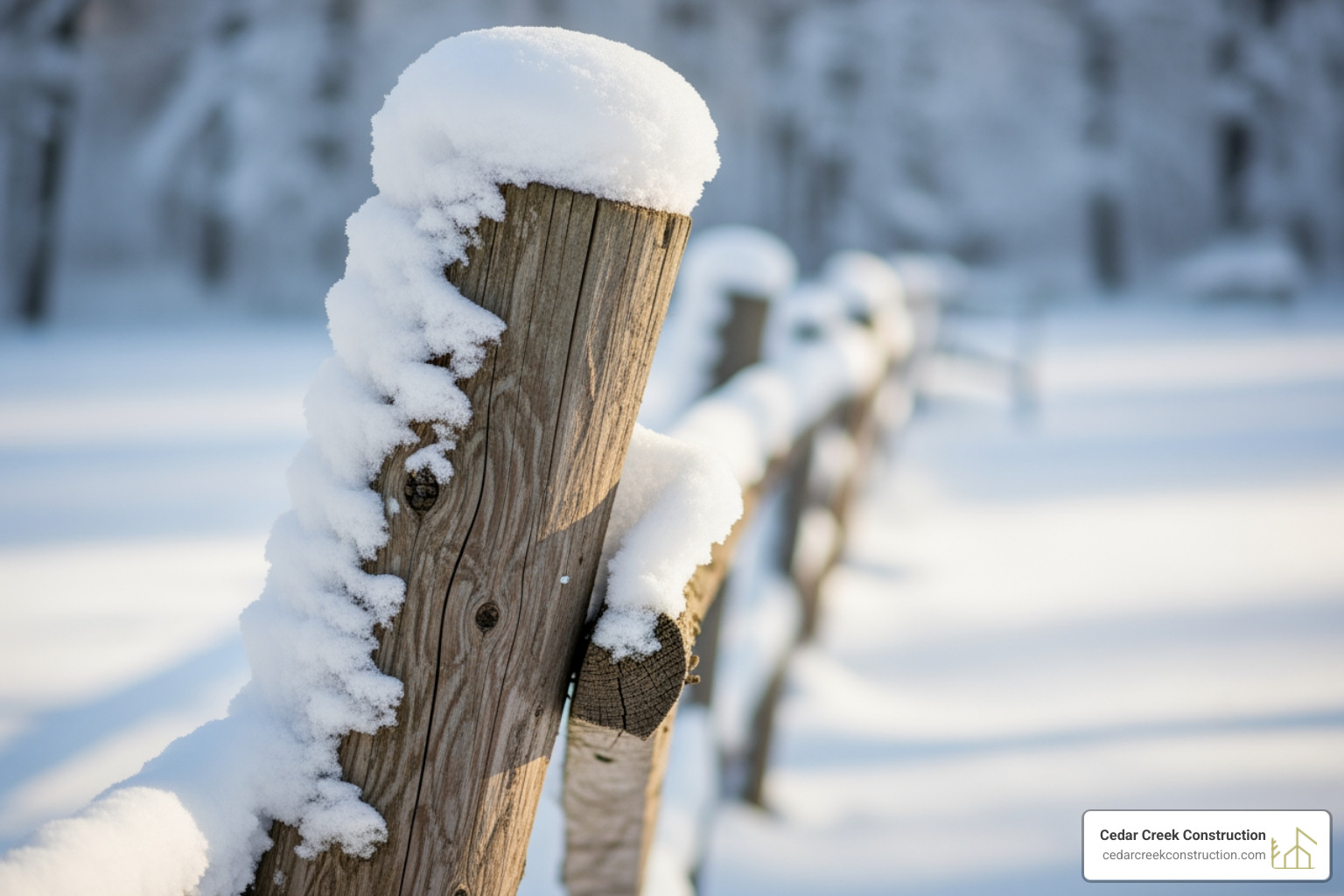 ### Common Signs You Need Fence Repair in Allentown, PA Catching fence damage early can save you from more extensive and costly repairs. Here are common indicators that your fence needs attention: * **Leaning Posts:** Unstraight posts often signal wood rot at the base, crumbling concrete footings, or soil erosion. A leaning fence is a security risk and an eyesore. * **Wood Rot:** Soft, discolored, or crumbling sections are a clear sign of rot, typically found at the base of posts. The affected wood usually needs replacement. * **Crumbling Concrete Footings:** Cracks or crumbling in concrete footings can lead to unstable posts and a leaning fence. * **Broken or Missing Panels/Pickets:** Gaps from missing or broken parts compromise your fence's privacy, security, and appearance. * **Rusted Metal:** For metal fences, reddish-brown discoloration means the protective coating has worn off, leaving the metal vulnerable. * **Peeling Paint or Stain:** This exposes bare wood to moisture and UV rays, accelerating rot and deterioration. * **Warped Boards:** Moisture and sun can cause wood boards to twist or cup, creating gaps and weakening the structure. * **Sagging Gates:** A gate that drags or won't close properly often points to issues with hinges, posts, or the gate frame itself. * **Pest Infestation Signs:** Small holes, sawdust, or visible insects on wood fences are red flags, as pests can destroy the fence from within. ### Proactive Fence Maintenance to Avoid Costly Repairs A little preventative care goes a long way in extending your fence's lifespan and minimizing the need for major **fence repair Allentown PA**. Here are our top maintenance tips: * **Annual Inspections:** Walk your fence line each spring to look for loose boards, leaning posts, rot, rust, or pest activity. Pay close attention to post bases and gate hardware. * **Cleaning Methods for Wood vs. Vinyl:** * **Wood Fences:** Gently power wash or scrub with a mild detergent to prevent mold and mildew. Use a specialized wood cleaner for stubborn stains. * **Vinyl Fences:** Wash once or twice a year with a hose, soapy water, and a soft brush to remove dirt and grime. Avoid abrasive cleaners. * **Sealing and Staining Wood Fences:** Apply a quality sealant or stain every 2-3 years to repel moisture, prevent UV damage, and slow the rotting process. * **Checking for Loose Hardware:** Periodically inspect and tighten all hinges, latches, and fasteners, especially on gates. Replace any rusted hardware. * **Clearing Debris from Fence Lines:** Keep vegetation and leaves away from the base of your fence to improve airflow, reduce moisture, and discourage pests. ## Understanding Repair Needs for Different Fence Types Different fence materials have unique vulnerabilities and repair needs. Understanding these is key to effective **fence repair Allentown PA**. For a deeper dive into materials, explore our guide on [Types of Fences and the Pros and Cons of Each](https://cedarcreekconstruction.com/types-of-fences-and-the-pros-consof-each/). 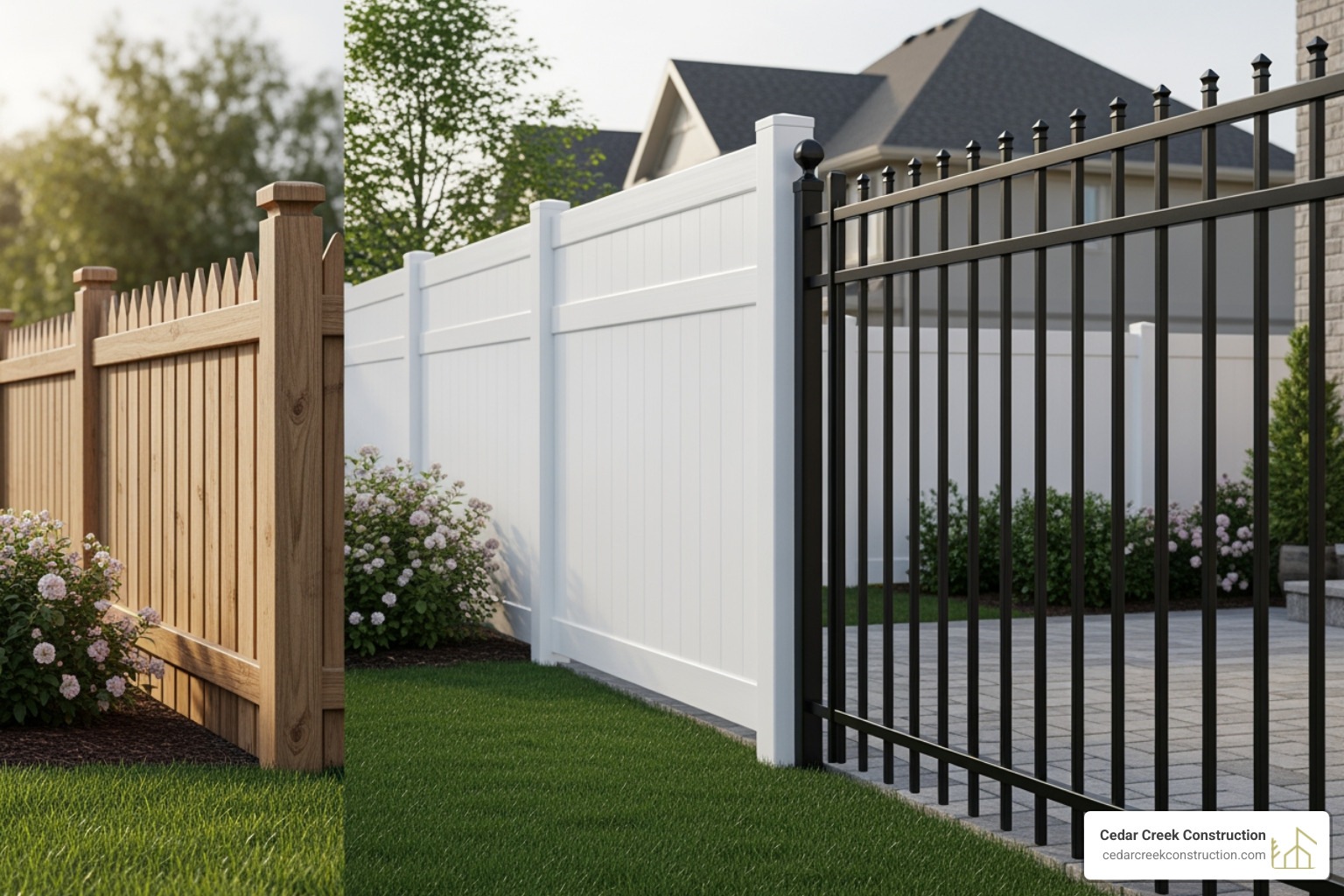 ### Wood Fence Repair Wood fences are beautiful but highly susceptible to the elements in the Lehigh Valley. **Common issues:** * **Rotting Posts or Slats:** The most frequent problem, especially at ground level, weakening the fence's structure. * **Warped Panels:** Humidity and sun exposure cause boards to twist, cup, or split. * **Insect Damage:** Termites and carpenter ants can compromise the fence's integrity from the inside out. * **Fading and Discoloration:** Sun exposure can bleach and weather the wood's natural color. **Repair services typically include:** * **Post Replacement:** Replacing a rotted or damaged post is often the best way to restore stability. * **Board/Panel Replacement:** Individual broken or rotted pickets or panels can be replaced to restore appearance and function. * **Staining and Sealing:** Applying a fresh coat of stain and sealant protects the wood from future moisture and UV damage. ### Vinyl and PVC Fence Repair Vinyl fences are low-maintenance and long-lasting but not immune to damage. **Common issues:** * **Cracks from Impact:** Extreme cold can make vinyl brittle, leading to cracks from impacts. * **Discoloration:** Lower-quality vinyl may experience chalking or slight discoloration from long-term UV exposure. * **Warping:** Intense heat can occasionally cause panels to warp if not installed correctly or if the material is poor quality. **Repair services typically include:** * **Panel Replacement:** Damaged interlocking panels can often be removed and replaced with a new one. * **Post Sleeve Repair/Replacement:** Cracked vinyl post sleeves can sometimes be repaired or, if severe, replaced entirely. * **Gate Adjustments:** Sagging or misaligned vinyl gates can be fixed by adjusting hinges or reinforcing the frame. ### Metal & Chain-Link Fence Repair Metal fences offer durability but have their own vulnerabilities. **Common issues:** * **Rust and Corrosion:** Iron and steel fences are prone to rust when exposed to moisture. * **Bent Posts or Rails:** Impact from vehicles or weather can bend metal components, compromising the structure. * **Sagging Chain-Link Mesh:** Over time, chain-link can stretch, sag, or detach from the top rail. * **Damaged Gates:** Metal gates can suffer from bent frames, broken welds, or faulty hinges. **Repair services typically include:** * **Rust Treatment:** Early-stage rust can be sanded, treated with an inhibitor, and repainted. * **Section Replacement:** Severely rusted or bent sections can be cut out and replaced. New chain-link mesh can be woven in. * **Tension Adjustments:** Re-tensioning chain-link mesh eliminates sagging and restores a taut appearance. * **Welding and Reinforcement:** Bent components on iron or aluminum fences can be straightened, re-welded, or reinforced. ## The Process of Fence Repair Allentown PA: From Quote to Completion Navigating the repair process is easier with the right professional. Here's how to handle your **fence repair Allentown PA** project from start to finish. ### Finding a Reliable Company for Fence Repair in Allentown, PA Choosing the right contractor is paramount. Look for a team with a proven track record of quality workmanship. * **Checking Experience:** Longevity signals reliability. Look for companies with decades of local experience, such as Montco Fence (since 1971), Anchor Fence (since 1979), and Lehigh Valley Fence Company (since 1979). * **Reading Online Reviews:** Use platforms like Angi or Google to gauge customer satisfaction. Creative Fence Company, for example, has earned the Angie's List Super Service Award annually since 2009. * **Verifying Licenses and Insurance:** This is non-negotiable. Ensure your contractor is licensed and carries liability insurance to protect you from accidents. * **Asking for a Portfolio:** A reputable company will gladly show you examples of their past work. * **Getting Multiple Quotes:** Contact several companies to compare pricing, proposed solutions, and timelines to understand fair market value. For more on our repair services, visit our page on [Fence Repairs](https://cedarcreekconstruction.com/fence-repairs/). ### Local Regulations and Permits Before starting a **fence repair Allentown PA** project, understand local rules. While minor repairs may not need a permit, significant changes often do. * **Allentown Permit Requirements:** The City of Allentown has specific codes governing fence construction and major repairs, including rules on height, setbacks, and materials. * **Fence Height Rules:** Front yard fences typically have different height limits than side and rear yard fences (e.g., 3.5 feet vs. 6 feet). Always verify. * **Property Line Considerations:** Know your exact property lines to avoid disputes with neighbors. * **HOA Guidelines:** If you're in an HOA, their rules on fence style, material, and height may supersede city ordinances. We advise checking with the **Allentown, PA municipal office** for the most current information. The city's website is a good resource: [http://www.allentownpa.gov/](http://www.allentownpa.gov/). A good contractor can help guide you, but compliance is the homeowner's responsibility. ### Understanding Costs and Warranties The cost of **fence repair Allentown PA** varies widely. * **Typical Cost Range:** Professional repairs can range from **$430 for minor fixes up to $4,500 or more** for extensive damage. * **Average Hourly Rate:** Fence installers in the area typically charge around **$50 per hour** for labor. * **Factors Affecting Price:** The final cost depends on the **materials** used, the **extent of damage**, the required **labor**, and site **accessibility**. * **What to Look for in a Warranty:** A good **workmanship guarantee** provides peace of mind. For example, some companies back their work for up to 5 years. This ensures that issues from faulty repair will be rectified at no cost. Always get warranty details in writing. ## Repair or Replace? Making the Right Decision for Your Fence One of the biggest dilemmas is deciding whether to repair a fence or invest in a full replacement. This choice for **fence repair Allentown PA** depends on several factors. For information on new installations, see our page on [New Fence](https://cedarcreekconstruction.com/new-fence/). ### When to Repair Your Fence Repair is often the most cost-effective solution in these situations: * **Minor Damage:** Localized issues like a few broken pickets, a single leaning post, or a gate adjustment don't compromise the whole fence. * **Less Than 25% of Fence Affected:** If less than a quarter of your fence is damaged, repairing those sections is more economical. * **Cost-Effectiveness:** The repair cost is significantly less than replacement and will extend the fence's life for several more years. * **Fence is Relatively New:** If your fence is still young (e.g., wood less than 10 years old), repairing it maximizes your initial investment. * **Localized Issues:** Problems like a broken hinge or a few rotted boards can be fixed without disturbing the rest of the fence. ### When to Replace Your Fence Sometimes, repair is a false economy. Consider replacement when: * **Widespread Damage:** If over 25-30% of the fence is damaged, replacement is often more cost-effective than cumulative repairs. * **Structural Integrity Compromised:** When multiple posts are leaning or the foundation is failing, the fence is no longer secure. Patching won't solve underlying structural problems. * **Constant Repair Needs:** If you're calling for **fence repair Allentown PA** every year, the fence has reached the end of its life. * **Outdated Style or Material:** Upgrading an old fence can boost curb appeal and property value, or allow you to switch to a lower-maintenance material. * **Age of the Fence:** Wood fences last about 15 years, while vinyl can last up to 30. If your fence is near or past its expected lifespan, replacement is often the smarter long-term choice. Here's a quick comparison to help you weigh your options: | Feature | Repair | Replace | | :---------------- | :---------------------------------------------- | :----------------------------------------------- | | **Cost** | Generally lower for localized issues | Higher initial investment | | **Time** | Quicker completion for minor fixes | Longer project duration | | **Material Life** | Extends life of existing fence | Fresh start, maximum lifespan for new material | | **Aesthetics** | Matches existing fence (may show wear) | Uniform new look, opportunity for upgrade | | **Structural** | Addresses localized weakness | Complete structural overhaul | | **Warranty** | Often covers specific repair work | Comprehensive warranty on new installation | ## Frequently Asked Questions about Lehigh Valley Fencing Here are answers to common questions we hear from homeowners in Allentown and the Lehigh Valley about **fence repair Allentown PA**. ### How much does fence repair typically cost in Allentown? The cost of **fence repair Allentown PA** varies, but generally ranges from **$430** for minor fixes to **$4,500 or more** for extensive work. Key factors influencing the price are the type of fence material, the extent of the damage, and labor costs, which average around **$50 per hour** in our area. For an accurate price, we always recommend getting a detailed quote from a reputable contractor. ### Do I need a permit for minor fence repairs in Allentown? It depends on the scope of the work. Generally, minor repairs like replacing a few pickets or fixing a gate hinge **do not require a permit**. However, major work that involves changing the fence's height or location, or replacing a substantial portion (e.g., over 25-50%), **will likely need a permit**. To be certain, always check with the **Allentown, PA municipal office** or their Department of Codes and Enforcement. You can find information on their website: [http://www.allentownpa.gov/](http://www.allentownpa.gov/). Also, remember to consult your HOA guidelines if you have one. ### How long does a typical fence repair take? The project duration for a **fence repair Allentown PA** can range from a few hours to several days. * **Small Jobs (Few Hours):** Simple tasks like tightening hardware or re-attaching a few pickets are usually quick. * **Medium Repairs (1 Day):** Replacing a single post or a small section of panels might take a full day. * **Larger Repairs (1-3 Days):** Projects involving multiple posts, several damaged sections, or re-tensioning a chain-link fence could take one to three days. The final timeline depends on the extent of the damage, material availability, and weather conditions. Ask your contractor for an estimated timeline with your quote. ## Your Next Step for a Secure and Beautiful Fence We've covered the essentials of **fence repair Allentown PA**, from spotting damage to deciding between repair and replacement. The key takeaway is clear: timely, professional repair is a vital investment in your home's security, privacy, and curb appeal. Ignoring fence issues leads to bigger problems and higher costs down the road. The Lehigh Valley's unique climate challenges demand expert attention to keep your fence in top condition. At Cedar Creek Construction, we provide high-quality, cost-effective solutions for your outdoor living needs, including comprehensive fence services. Our expertise ensures your fence is restored to its optimal condition. Don't let a failing fence compromise your peace of mind. If you're in Allentown, Coopersburg, Macungie, or anywhere in the Lehigh Valley, we're here to help. [Contact Us for your Lehigh Valley fence project](https://cedarcreekconstruction.com/new-decks/) and let us help you achieve a secure and beautiful fence that stands the test of time.](https://cedarcreek.stagewp.net/wp-content/uploads/2026/02/53f0941103ea03384fea40b7897dbd7fb783bbca-768x512.jpg)