
Why Allentown Homeowners Are Choosing Paver Patios
A paver patio Allentown PA installation typically costs between $14-$25 per square foot and offers a 70-100% return on investment. Here’s what you need to know:
Quick Cost Estimates:
- 12×12 patio: $2,000-$3,600
- 16×18 patio: $4,500-$7,200
- 20×20 patio: $5,600-$10,000
Allentown’s unique blend of historic charm and modern living creates the perfect backdrop for outdoor entertaining. Your backyard shouldn’t just be a patch of grass—it can become a functional extension of your home where family gatherings happen and property value grows.
Paver patios solve a common problem: How do you create a durable, beautiful outdoor space that can handle Pennsylvania’s harsh winters and blazing summers without cracking or settling like traditional concrete?
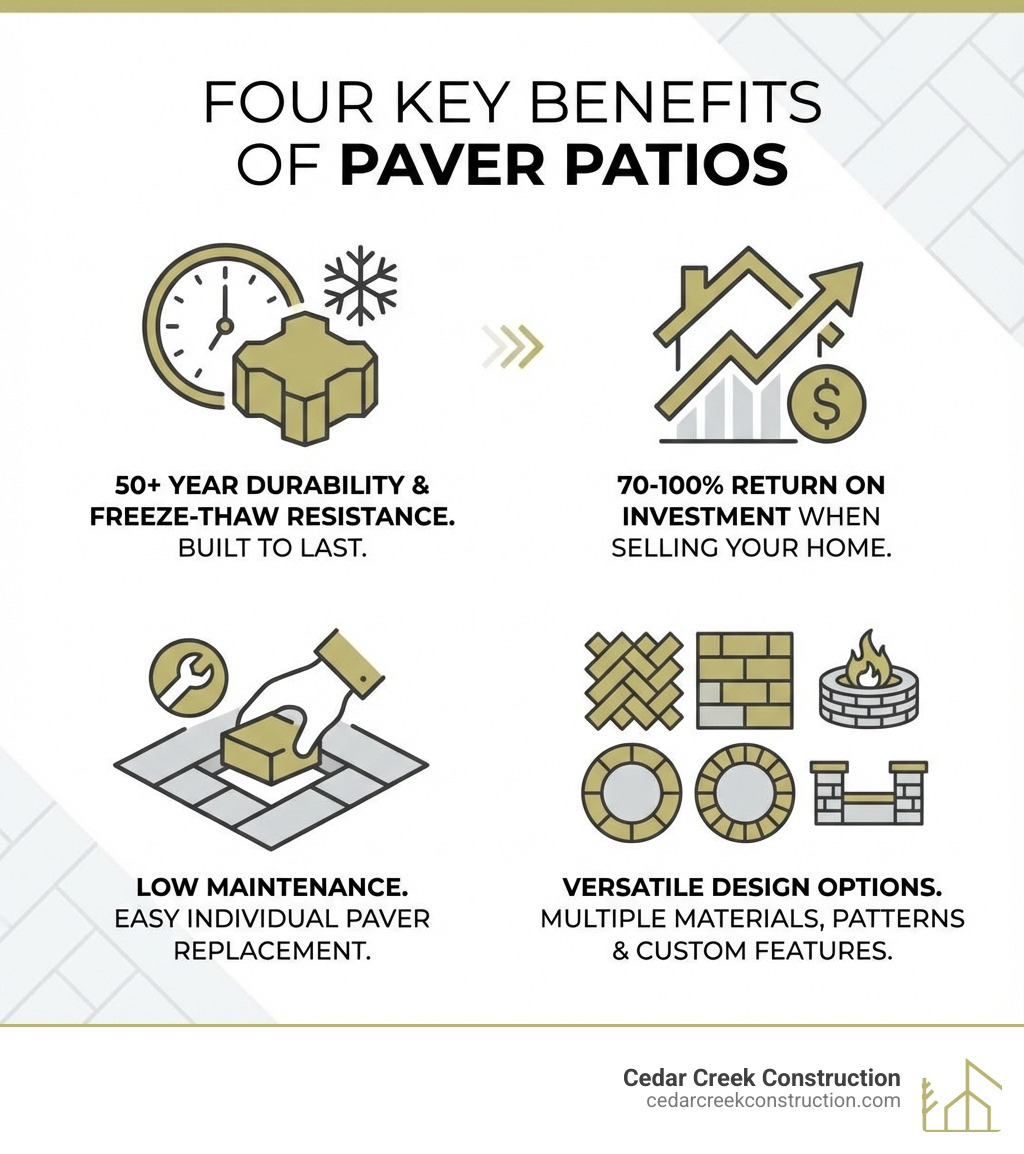
The answer lies in interlocking pavers. These versatile materials are up to four times stronger than poured concrete, resist freeze-thaw damage, and offer design flexibility you simply can’t get with other options. When one paver gets damaged, you replace just that piece—not the entire patio.
Whether you’re looking to add a cozy 12×12 seating area or a sprawling 20×20 entertainment space, understanding your options helps you make smart decisions about materials, design, and contractors.
As a local construction company with extensive experience helping Lehigh Valley homeowners with major outdoor projects, we’ve seen how a well-designed paver patio transforms both the functionality and value of a property. Let us walk you through everything you need to know to make your backyard dreams a reality.
Why a Paver Patio is the Perfect Upgrade for Your Allentown Home
Imagine stepping out into your backyard, a refreshing drink in hand, and settling into a beautifully designed outdoor living space. For Allentown homeowners, a paver patio isn’t just a luxury; it’s a smart investment that improves daily life and adds significant value to your home. We’ve seen countless families in the Lehigh Valley transform their outdoor areas into true havens, and a paver patio Allentown PA installation is often at the heart of that change.
Increased Home Value
One of the most compelling reasons to install a paver patio is the impressive return on investment (ROI). Studies show that paver patios can provide a 70-100% return, making it one of the top three projects for adding significant value to your home. This means your beautiful new patio isn’t just for your enjoyment; it’s a tangible asset that boosts your property’s market appeal.
Improved Curb Appeal
A well-designed patio can dramatically improve your home’s curb appeal, making it more attractive to potential buyers should you decide to sell. Allentown homes feature diverse architectural styles, from historic Victorians to modern new builds. A custom paver patio can be designed to complement your home’s unique character, creating a cohesive and inviting outdoor aesthetic that truly stands out. It adds a touch of elegance and sophistication that a simple concrete slab just can’t match.
Durability and Strength
Pennsylvania weather can be quite the character, swinging from humid summers to freezing, snowy winters. Paver patios are uniquely suited to handle these freeze-thaw conditions without cracking or breaking. That’s because individual pavers can shift slightly with ground movement, unlike rigid concrete slabs. In fact, many high-quality concrete pavers boast up to four times the strength of poured concrete, making them incredibly resilient. This inherent strength and flexibility contribute to their impressive 50+ year life expectancy, ensuring your outdoor oasis will last for generations.
Versatility in Use
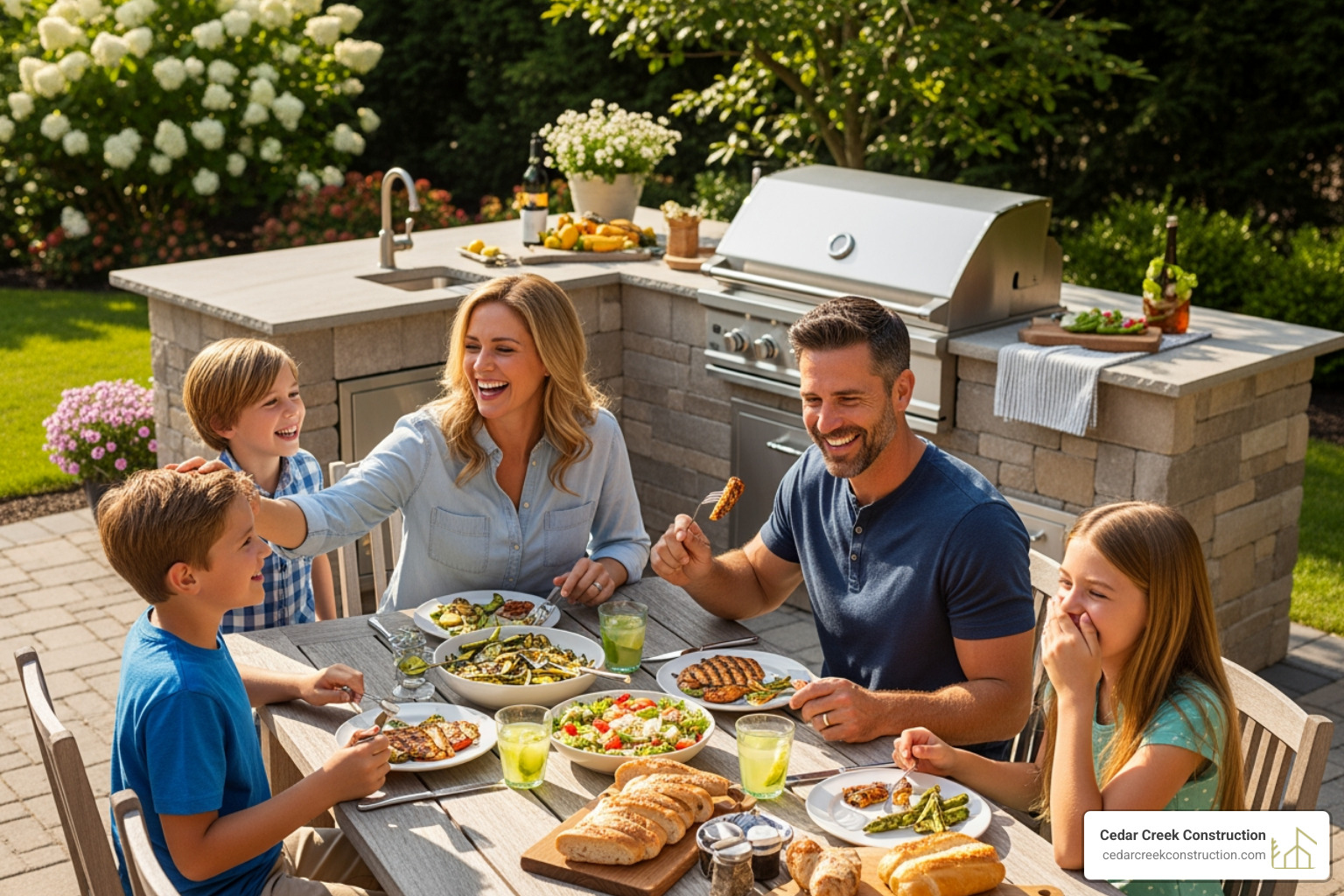
A paver patio expands your living area, offering a dedicated space for outdoor dining, entertaining, or simply relaxing with a good book. We’ve helped homeowners create everything from intimate seating areas perfect for morning coffee to expansive entertainment spaces complete with outdoor kitchens and fire pits. The possibilities are truly endless when you start thinking about your Outdoor Living Space in the Lehigh Valley.
Low Maintenance Lifestyle
Let’s be honest, nobody wants a high-maintenance outdoor feature. Paver patios are celebrated for their relatively low maintenance. Unlike concrete, which can suffer from unsightly cracks that are difficult and expensive to repair, individual pavers can be easily replaced if damaged. Simple routine care, like sweeping and occasional cleaning, keeps them looking pristine. We’ll dig more into specific maintenance tips later, but rest assured, your paver patio won’t demand all your free time.
Designing Your Dream Patio: Materials, Styles, and Patterns
Designing your paver patio is where the real fun begins! This is your chance to infuse your personal style and create an outdoor space that truly reflects your vision. With so many options in materials, styles, and patterns, the choices for a paver patio Allentown PA installation are limited only by your imagination.
Choosing the Right Paver Material
The material you choose will significantly impact the look, feel, and cost of your patio.
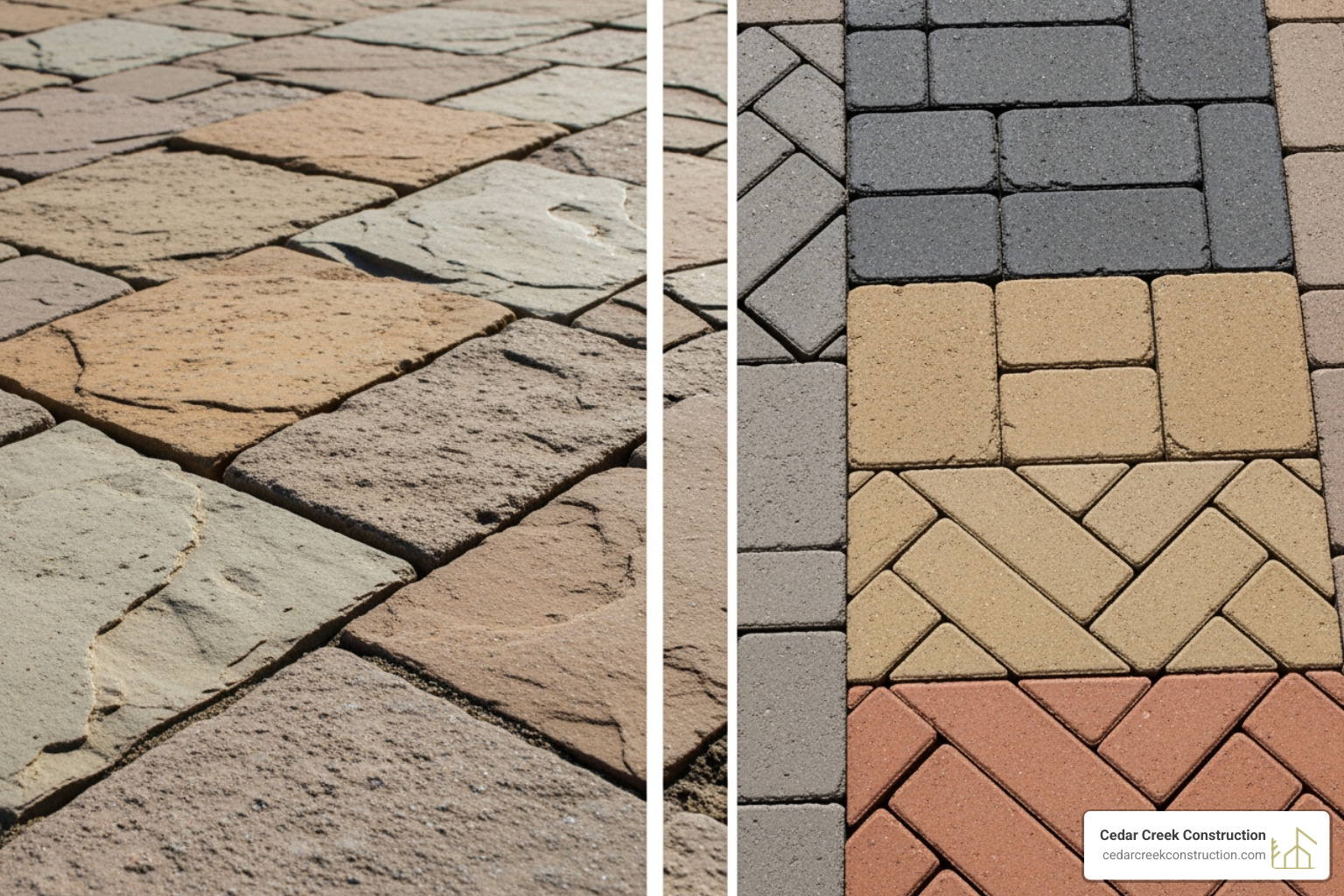
- Concrete Pavers: These are the most common and versatile choice. They come in a vast array of colors, shapes, and textures, mimicking everything from natural stone to brick. Material costs for standard concrete pavers typically range from $4-$15 per square foot. They are incredibly durable, often three times stronger than poured concrete, and perfect for handling the Lehigh Valley’s climate.
- Natural Stone: For a truly organic and luxurious feel, natural stone pavers like flagstone, bluestone, or travertine are excellent options. They offer unique variations in color and texture that concrete can only imitate. However, this natural beauty comes at a higher price, with material costs ranging from $8-$30 per square foot.
- Brick Pavers: Classic and charming, brick pavers evoke a timeless, traditional aesthetic. They are durable and suitable for various designs, often falling within the same $4-$15 per square foot material cost range as concrete pavers.
Many top manufacturers, like Unilock, offer exceptional quality. Unilock, which claims to have introduced pavers to North America, provides a transferable lifetime guarantee on their products. Their Unilock Select™ line is engineered to resist wear and tear from harsh weather. For example, their Town Hall™ pavers boast up to four times the strength of poured concrete and offer a classic Midwest street paver appearance, while Umbriano® paving stones feature EnduraColor™ improved coloring and EasyClean™ stain resistance, making them a fantastic choice for pool decks, patios, or courtyards.
Popular Paver Styles and Patterns
The way pavers are laid creates distinct patterns that can define your patio’s character:
- Herringbone: A classic, strong pattern often used for driveways and high-traffic areas, known for its interlocking strength.
- Basket Weave: Creates a charming, traditional look, often used for walkways and patios.
- Running Bond: A simple, clean, and modern pattern, often used to make spaces feel larger.
- Circular Designs: Perfect for accentuating a focal point, like a fire pit, or creating distinct “rooms” within a larger patio.
That intricate patterns, while stunning, can increase labor costs by 15 to 25 percent due to the extra cutting and precise placement required.
Matching Your Home’s Aesthetic
Your paver patio should feel like a natural extension of your home. Consider:
- Contemporary vs. Old World Look: Tumbled pavers, with their softer, rounded edges, lend themselves to an Old World or rustic charm, while non-tumbled pavers with crisper edges are ideal for contemporary homes.
- Color and Texture: Choose colors that complement your home’s exterior and landscaping. Textures can add visual interest and slip resistance.
Adding Custom Features
A patio is more than just a flat surface. We can integrate a variety of features to improve its functionality and appeal:
- Fire Pits and Fireplaces: Create a cozy ambiance and extend the usability of your patio into cooler evenings.
- Seating Walls: Offer built-in seating, defining the patio’s perimeter and saving space from movable furniture.
- Outdoor Kitchens: Lift your outdoor entertaining game with a fully functional cooking and dining area.
- Landscape Lighting: Adds beauty, ambiance, and security to your outdoor space.
- Water Features: Introduce soothing sounds and visual interest, creating a relaxing environment.
Understanding the Cost of a Paver Patio in Allentown, PA
We all want a beautiful outdoor space, but understanding the financial commitment is crucial before we break ground. When considering a paver patio Allentown PA installation, it’s important to know that costs can vary widely based on several factors unique to your project and our local Lehigh Valley market.
Average Cost Per Square Foot
In the Lehigh Valley region, homeowners typically invest between $14 and $25 per square foot for a professionally installed paver patio. This range accounts for variations in materials, design complexity, and site conditions.
Project Size Economics
It might seem counterintuitive, but larger patios often come with a lower per-square-foot cost. This is because certain fixed costs, like site preparation and equipment mobilization, are distributed over a larger area. Material suppliers may also offer volume discounts for bigger projects.
Here’s a quick look at typical costs for popular patio sizes in our area:
| Patio Size | Typical Cost Range (Lehigh Valley) |
|---|---|
| 12×12 | $2,000 – $3,600 |
| 16×18 | $4,500 – $7,200 |
| 20×20 | $5,600 – $10,000 |
So, while a 12×12 patio perfect for a small seating area might cost around $2,000 to $3,600, a larger 20×20 entertaining space could run approximately $5,600 to $10,000 for complete installation.
Budgeting for Add-Ons
The base cost of your patio is just the beginning. Many homeowners choose to improve their outdoor living space with additional features, which will naturally impact the overall budget.
- Seating Walls: These built-in elements add functionality and structure, typically costing $25-$45 per square foot.
- Fire Pits or Outdoor Fireplaces: Perfect for extending your patio’s usability into cooler months, these can range significantly in price depending on size and materials.
- Outdoor Kitchens: From simple grilling stations to elaborate full kitchens, these are a major investment that adds incredible value and enjoyment.
- Landscape Lighting: Essential for ambiance and safety, lighting can be integrated into your patio design.
When planning your budget, it’s wise to consider these potential additions. We can also discuss how a patio ties into larger Remodeling projects for your home.
What factors influence the cost of a paver patio Allentown PA?
Several key factors will determine the final price tag of your paver patio Allentown PA project:
- Material Selection: As we discussed, standard concrete and brick pavers are more budget-friendly ($4-$15 per square foot for materials) than natural stone options like flagstone or bluestone ($8-$30 per square foot for materials). The quality and brand of the paver also play a role.
- Design Complexity: A simple square or rectangular patio with a basic running bond pattern will be less expensive than an intricate circular design or a multi-level patio with complex curves. Intricate patterns can increase labor costs by 15 to 25 percent due to the extra cutting and precise placement required.
- Site Preparation: This is a major cost factor. A level yard with good drainage requires minimal prep. However, the Lehigh Valley’s rolling terrain and clay-heavy soils often mean more extensive work. Sloping yards, poor drainage, or existing structures that need removal may require additional grading, excavation, or retaining walls, which increases costs.
- Local Labor Costs: The Allentown-Bethlehem-Easton area has a competitive labor market with low unemployment. This means skilled hardscaping professionals, who possess the expertise to ensure a lasting installation, command premium rates. While this might seem like a higher upfront cost, the value of professional, quality workmanship far outweighs the risks of a poorly installed DIY job.
The Professional Installation Process for a Paver Patio Allentown PA
Installing a paver patio is more than just laying down some stones; it’s a precise process that requires expertise, proper equipment, and meticulous attention to detail to ensure longevity and beauty. When we undertake a paver patio Allentown PA project, we follow a proven multi-step process that guarantees a durable and stunning result.
Step 1: Planning and Design
Every great patio begins with a great plan. This initial phase is crucial for avoiding costly mistakes down the line.
- Site Analysis: We’ll assess your yard’s unique characteristics, including soil type, existing drainage patterns, and sun exposure. This helps us understand any challenges and opportunities.
- Layout: Working closely with you, we’ll finalize the patio’s shape, size, and location, ensuring it complements your home and lifestyle.
- Material Selection: Based on your aesthetic preferences and budget, we’ll confirm the paver type, color, and pattern.
Step 2: Site Preparation
This is arguably the most critical step, as it lays the foundation for your patio’s stability and longevity. Poor site preparation is the leading cause of future problems like cracking, heaving, or settling.
- Excavation: We’ll excavate the area to the correct depth, removing any obstacles, organic material, and sometimes even over-excavating the perimeter to ensure proper base confinement.
- Grading for Drainage: Ensuring proper drainage away from your home and the patio itself is paramount. The standard slope for hardscape surfaces is a 1/4″ drop per linear foot. This prevents water from pooling and undermining the patio’s integrity.
- Utility Marking: Before any digging begins, we’ll ensure all underground utilities (gas, water, electric) are marked to prevent accidental damage.
Step 3: Base Installation
The base is the backbone of your paver patio. It provides essential support and stability.
- Geotextile Fabric: In areas with poor draining soils, we may install a geotextile fabric. This acts as a barrier, preventing the base material from mixing with the sub-soil, which can cause settling.
- Compacted Sub-Base: We lay down a minimum five-inch-thick compacted sub-base of crushed stone or gravel, compacted to at least 95 percent density. This creates a strong, stable, and permeable foundation.
- Bedding Sand: A thin, uniform layer of bedding sand is then spread over the compacted sub-base. This layer allows for minor adjustments during paver placement and helps lock them into place.
Step 4: Paver Laying and Finishing
With the base carefully prepared, we move on to the satisfying task of laying the pavers and completing the installation.
- Paver Placement: Pavers are carefully laid according to the chosen pattern, ensuring proper alignment and joint spacing.
- Edge Restraints: We install robust edge restraints around the perimeter of the patio. These are crucial to prevent the pavers from shifting sideways and migrating into the surrounding soil.
- Polymeric Sand: Once all pavers are in place, we sweep polymeric sand into the joints. This specialized sand, when activated with water, hardens to create a durable, flexible bond that prevents weeds from growing, deters insect infestation, and minimizes joint erosion.
- Final Compaction: A final pass with a plate compactor ensures all pavers are perfectly settled into the bedding sand and the entire patio surface is level and stable.
Permits and Regulations in Allentown
Navigating local regulations can sometimes feel like a maze, but we’re here to help. For most ground-level paver patios in Allentown and surrounding Lehigh Valley municipalities, permits are typically not required. However, it’s always advisable to verify with your local building department, especially for larger projects or those involving significant changes to grading or drainage. We handle all necessary permitting and ensure full compliance with local regulations for your peace of mind. You can always check with the official Allentown, PA government website for local ordinances.
Hiring a Pro and Maintaining Your Investment
A beautiful paver patio is an investment, and like any good investment, it deserves professional care both in its creation and its upkeep. Choosing the right contractor and committing to simple maintenance will ensure your paver patio Allentown PA brings joy for decades.
Advantages of a Local Contractor
When starting on a significant home improvement project like a paver patio, choosing a local contractor from the Lehigh Valley, such as Cedar Creek Construction, offers distinct advantages:
- Knowledge of Local Soil and Climate: We understand the nuances of Allentown’s rolling terrain and clay-heavy soils, as well as Pennsylvania’s challenging freeze-thaw cycles. This local expertise is invaluable for proper site preparation and material selection.
- Adherence to Local Codes: A local contractor is intimately familiar with Allentown’s specific building codes and permit requirements, ensuring your project is compliant and hassle-free.
- Owner-Supervised Projects: Many reputable local companies pride themselves on owner-supervised projects, ensuring meticulous attention to detail and quality control from start to finish.
- Community Reputation: Local contractors rely on their reputation within the community. Look for companies that have built their businesses on trust and quality service in the Lehigh Valley for many years.
What to Look For
How do you choose the right partner for your paver patio project? Here’s what we recommend:
- Experience: Look for contractors with a proven track record and decades of experience, as they are often best equipped for complex landscapes and custom hardscapes.
- Certifications: Ask if they are ICPI (Interlocking Concrete Pavement Institute) Certified. This demonstrates a commitment to industry best practices.
- Warranties: A reputable contractor stands behind their work. Ask about workmanship warranties, as many offer a 1-year warranty on their projects.
- Insurance and Licensing: Always ensure your contractor is fully licensed and insured. This protects you from liability in case of accidents or damage.
- Customer Service: Look for a company that offers free estimates, prompt service, and superior customer service from start to finish. Their vast knowledge of products should guide your choices, not just push sales.
Long-Term Paver Maintenance
The good news is that paver patios are relatively low maintenance. A little care goes a long way in preserving their beauty and integrity:
- Regular Sweeping: Keep the surface free of leaves, dirt, and debris.
- Spot Cleaning: Address spills and stains promptly with a suitable paver cleaner to prevent them from setting.
- Annual Washing: A gentle annual wash with a pressure washer (on a low setting) or a good paver cleaner can remove built-up grime.
- Sealant Reapplication: If your pavers were sealed (which we often recommend to preserve color and discourage staining), plan to reapply sealant every three to five years. Some sealers improve color, while others offer invisible protection.
- Replacing Jointing Compound: Over time, some polymeric sand might erode. Replenish as needed to keep weeds and insects at bay.
Simple Repairs
One of the great advantages of pavers is their ease of repair. Unlike a cracked concrete slab that often requires extensive patching or replacement, individual pavers can be addressed:
- Replacing Individual Pavers: If a paver gets cracked or stained beyond cleaning, it can be carefully removed and replaced with a new one, seamlessly blending into the existing patio.
- Re-sanding Joints: If you notice weeds or ants emerging from between pavers, it might be time to clean out the joints and re-sweep with polymeric sand.
For any general repairs around your home, including those related to your outdoor spaces, we’re always here to help. Explore our General Repairs services.
Frequently Asked Questions about Paver Patios in Allentown
We understand you likely have questions when considering a significant home improvement like a paver patio. Here are some of the most common inquiries we receive from Allentown homeowners:
How long does a paver patio Allentown PA installation last?
A professionally installed paver patio Allentown PA can last an incredibly long time—we’re talking a 50+ year life expectancy! This impressive durability comes from several factors: the inherent strength of the pavers themselves (concrete pavers are often three times stronger than poured concrete), their ability to flex with the ground during our freeze-thaw cycles without cracking, and, most importantly, the quality of the installation. Proper base preparation and drainage are absolutely key to ensuring your patio stands the test of time.
Can I install a paver patio myself to save money?
While the DIY approach is tempting to save on labor, we often see it lead to costly problems like uneven surfaces, pooling water, or shifting pavers due to mistakes in base preparation. Professional expertise is a worthwhile investment. For a compromise, you could handle site clearing yourself and leave the critical base preparation and paver laying to our experienced team, ensuring structural integrity while saving some cost.
What’s the difference between a paver patio and a Concrete Walkways?
While both pavers and concrete can create functional outdoor surfaces, they offer distinct differences:
- Aesthetics: Pavers offer far greater design versatility. You can choose from a vast array of colors, shapes, textures, and patterns (like herringbone or circular designs) to create a truly custom look. While concrete can be stamped or stained, it often has a more monolithic appearance.
- Repairability: This is a big one! If a paver cracks or stains, you can simply remove and replace that individual paver. If a concrete slab cracks, the repair is usually much more noticeable and often involves patching or replacing an entire section, which can be costly and disruptive.
- Strength: High-quality concrete pavers are incredibly durable, often boasting up to three to four times the strength of poured concrete. They are also designed to accommodate ground movement, making them ideal for the freeze-thaw conditions we experience in Allentown. Poured concrete, being a rigid slab, is more prone to cracking under these conditions.
- Cost Comparison: Generally, a professionally installed paver patio has a higher upfront cost than a basic poured concrete slab. However, the long-term benefits of durability, ease of repair, and improved aesthetics often make pavers a more cost-effective choice over the lifespan of your patio.
Conclusion: Start Building Your Allentown Outdoor Oasis
Your backyard in Allentown holds immense potential, and a paver patio is the key to open uping it. We’ve explored how a paver patio Allentown PA installation delivers not just beauty and functionality, but also a significant return on your investment, changing your outdoor space into a true extension of your home. From selecting the perfect paver material to understanding the meticulous installation process, every detail contributes to a durable and stunning result.
The benefits are clear: increased home value, improved curb appeal, superior durability against our local climate, incredible design versatility, and a low-maintenance lifestyle. While the costs vary, we’ve broken down the factors that influence your budget and highlighted why a professional installation is a wise long-term choice.
At Cedar Creek Construction, we pride ourselves on being your local experts in Center Valley, serving the entire Lehigh Valley. We specialize in custom decks, patios, renovations, and fencing, offering high-quality, cost-effective solutions with best expertise and craftsmanship. We’re committed to turning your outdoor dreams into a tangible, beautiful reality.
Don’t let another season pass by wishing for a better backyard. Let’s collaborate to design and build the paver patio you’ve always wanted.
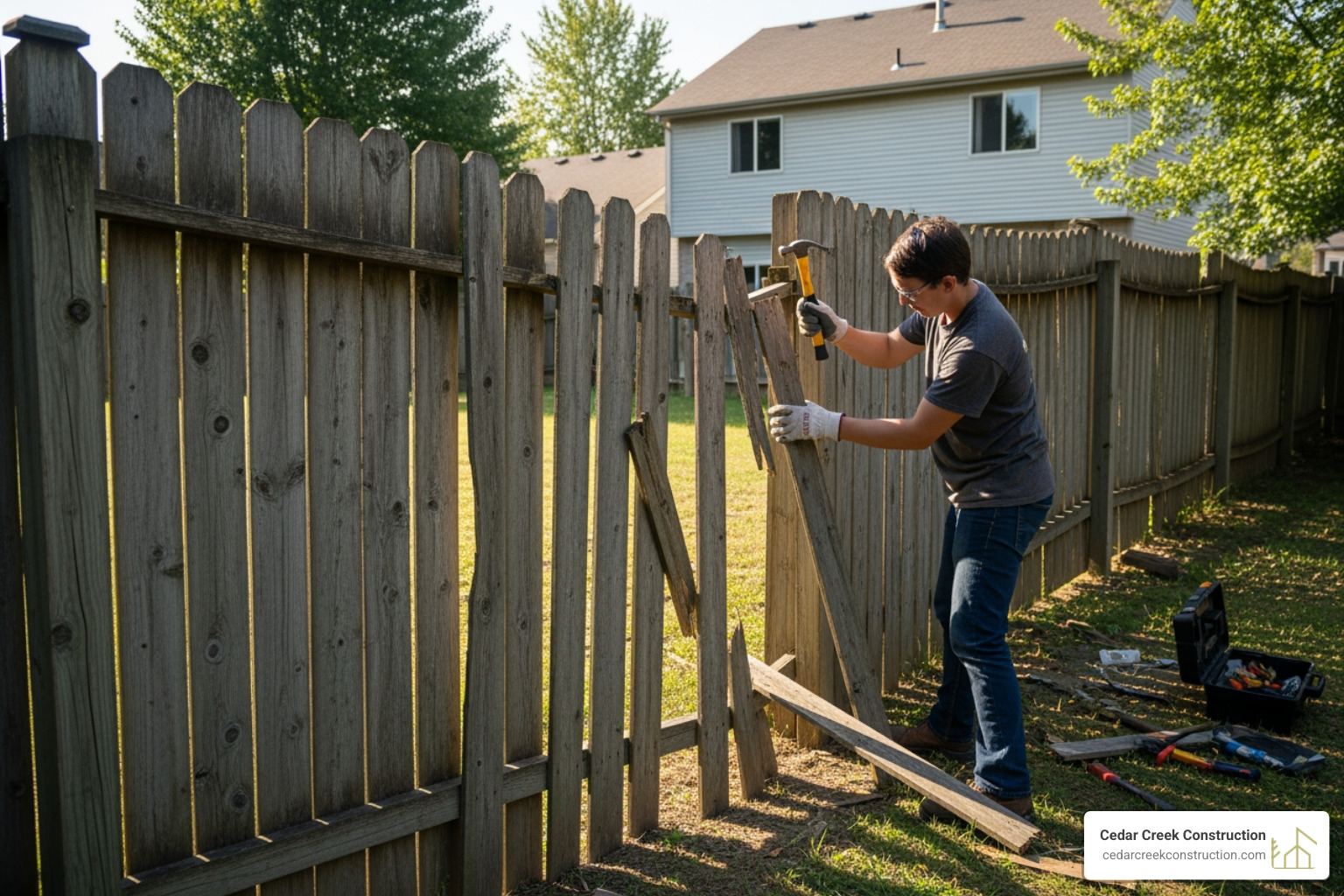 For homeowners in the Lehigh Valley, **fence repair Allentown PA** is a crucial service for maintaining a property's security, curb appeal, and value. From winter storm damage to summer wood rot, finding the right local professionals makes all the difference. **Top-rated fence repair companies serving Allentown, PA:** - **Anchor Fence of the Lehigh Valley** - Serving the region since 1979, offering residential and commercial fencing services - **Montco Fence** - Family-owned since 1971, specializing in all fence types with no subcontractors - **Lehigh Valley Fence Company** - Over 40 years of experience with a 5-year workmanship guarantee - **Allentown Fence Repair** - Opened in 2016 with 30+ years of team experience, offering customized solutions - **Creative Fence Company** - Angie's List Super Service Award winner since 2009 **Common services include:** post repair, panel replacement, gate adjustments, rust treatment, wood rot remediation, and seasonal damage restoration. Your fence is more than a boundary; it provides protection, privacy, and contributes to your home's first impression. A failing fence compromises these benefits and can lower your property value. The Lehigh Valley's climate, with its freeze-thaw cycles and summer humidity, poses unique challenges for all types of fencing. While obvious problems like leaning posts are easy to spot, subtle signs like soft wood, peeling paint, or small gaps also signal that repairs are needed. Catching these issues early saves money and extends your fence's lifespan. Professional fence repair typically costs between **$430 and $4,500**, depending on the damage and materials. Allentown contractors generally charge around **$50 per hour** for labor. This is often far less than a full replacement, especially considering a wood fence lasts about 15 years and vinyl up to 30 with proper care. I'm **Matt Strunk**, co-founder of Cedar Creek Construction. With experience in the industry, I know the importance of quality craftsmanship in protecting your property investment. Our team helps Lehigh Valley homeowners make informed decisions about **fence repair Allentown PA** and other outdoor projects. ## Is Your Fence Failing? Common Damage in the Lehigh Valley The Lehigh Valley's changing seasons are harsh on outdoor structures. The climate in Allentown, PA, and surrounding areas like Coopersburg and Macungie, takes a toll on all fencing materials due to hot, humid summers and cold, snowy winters. One of the biggest culprits is the **freeze-thaw cycle**. As temperatures fluctuate, absorbed moisture freezes and expands, causing cracks and weakening structural integrity, particularly in wood fences. Summer **humidity** accelerates wood rot and rust, while heavy **snow damage** can cause posts and panels to lean or break. **Wind damage** from storms can also knock down entire sections. These environmental factors make regular inspections and timely **fence repair Allentown PA** a necessity for local homeowners. For more insights, check our article on [Signs for Lehigh Valley Homeowners](https://cedarcreekconstruction.com/signs-for-lehigh-valley-homeowners/). 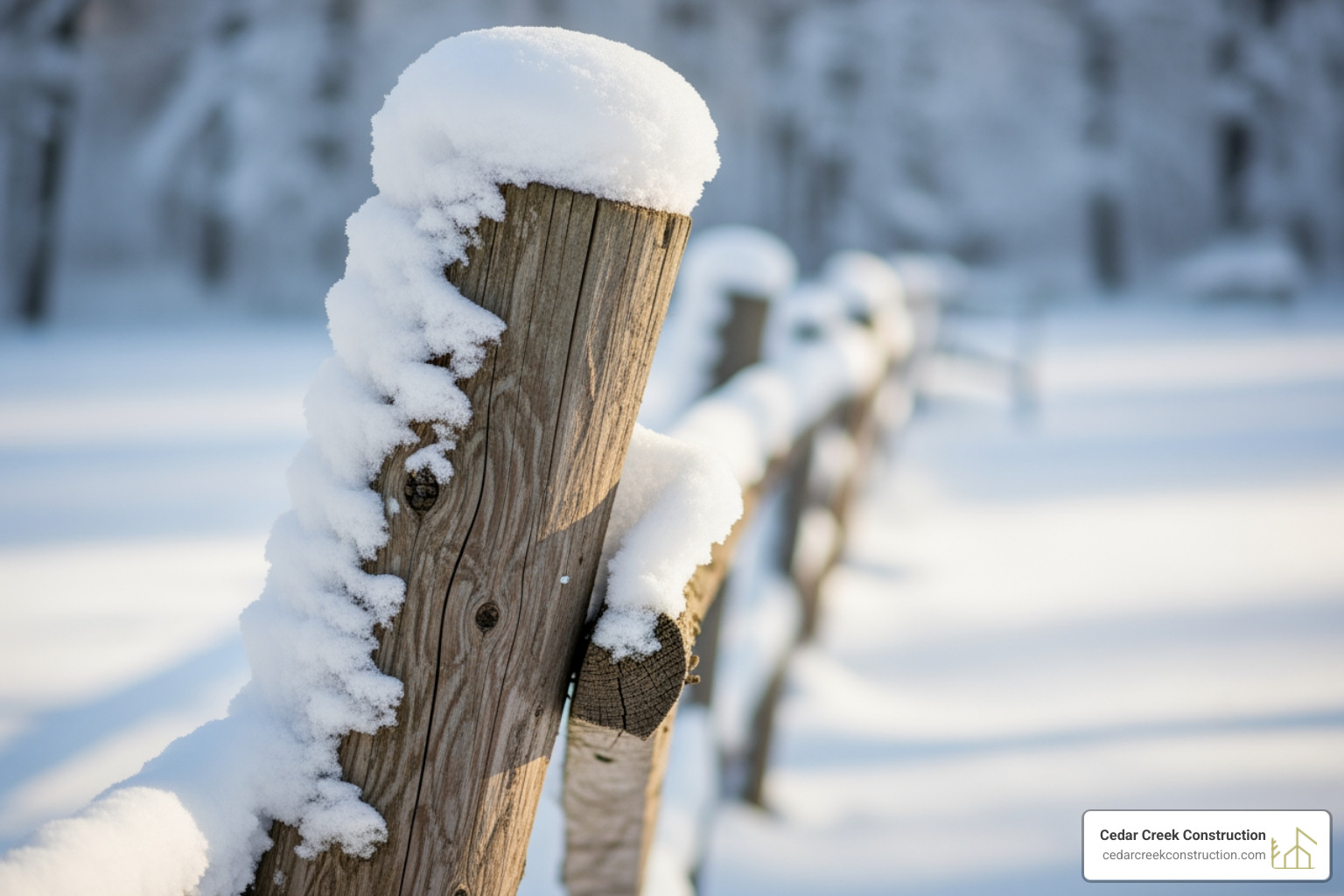 ### Common Signs You Need Fence Repair in Allentown, PA Catching fence damage early can save you from more extensive and costly repairs. Here are common indicators that your fence needs attention: * **Leaning Posts:** Unstraight posts often signal wood rot at the base, crumbling concrete footings, or soil erosion. A leaning fence is a security risk and an eyesore. * **Wood Rot:** Soft, discolored, or crumbling sections are a clear sign of rot, typically found at the base of posts. The affected wood usually needs replacement. * **Crumbling Concrete Footings:** Cracks or crumbling in concrete footings can lead to unstable posts and a leaning fence. * **Broken or Missing Panels/Pickets:** Gaps from missing or broken parts compromise your fence's privacy, security, and appearance. * **Rusted Metal:** For metal fences, reddish-brown discoloration means the protective coating has worn off, leaving the metal vulnerable. * **Peeling Paint or Stain:** This exposes bare wood to moisture and UV rays, accelerating rot and deterioration. * **Warped Boards:** Moisture and sun can cause wood boards to twist or cup, creating gaps and weakening the structure. * **Sagging Gates:** A gate that drags or won't close properly often points to issues with hinges, posts, or the gate frame itself. * **Pest Infestation Signs:** Small holes, sawdust, or visible insects on wood fences are red flags, as pests can destroy the fence from within. ### Proactive Fence Maintenance to Avoid Costly Repairs A little preventative care goes a long way in extending your fence's lifespan and minimizing the need for major **fence repair Allentown PA**. Here are our top maintenance tips: * **Annual Inspections:** Walk your fence line each spring to look for loose boards, leaning posts, rot, rust, or pest activity. Pay close attention to post bases and gate hardware. * **Cleaning Methods for Wood vs. Vinyl:** * **Wood Fences:** Gently power wash or scrub with a mild detergent to prevent mold and mildew. Use a specialized wood cleaner for stubborn stains. * **Vinyl Fences:** Wash once or twice a year with a hose, soapy water, and a soft brush to remove dirt and grime. Avoid abrasive cleaners. * **Sealing and Staining Wood Fences:** Apply a quality sealant or stain every 2-3 years to repel moisture, prevent UV damage, and slow the rotting process. * **Checking for Loose Hardware:** Periodically inspect and tighten all hinges, latches, and fasteners, especially on gates. Replace any rusted hardware. * **Clearing Debris from Fence Lines:** Keep vegetation and leaves away from the base of your fence to improve airflow, reduce moisture, and discourage pests. ## Understanding Repair Needs for Different Fence Types Different fence materials have unique vulnerabilities and repair needs. Understanding these is key to effective **fence repair Allentown PA**. For a deeper dive into materials, explore our guide on [Types of Fences and the Pros and Cons of Each](https://cedarcreekconstruction.com/types-of-fences-and-the-pros-consof-each/). 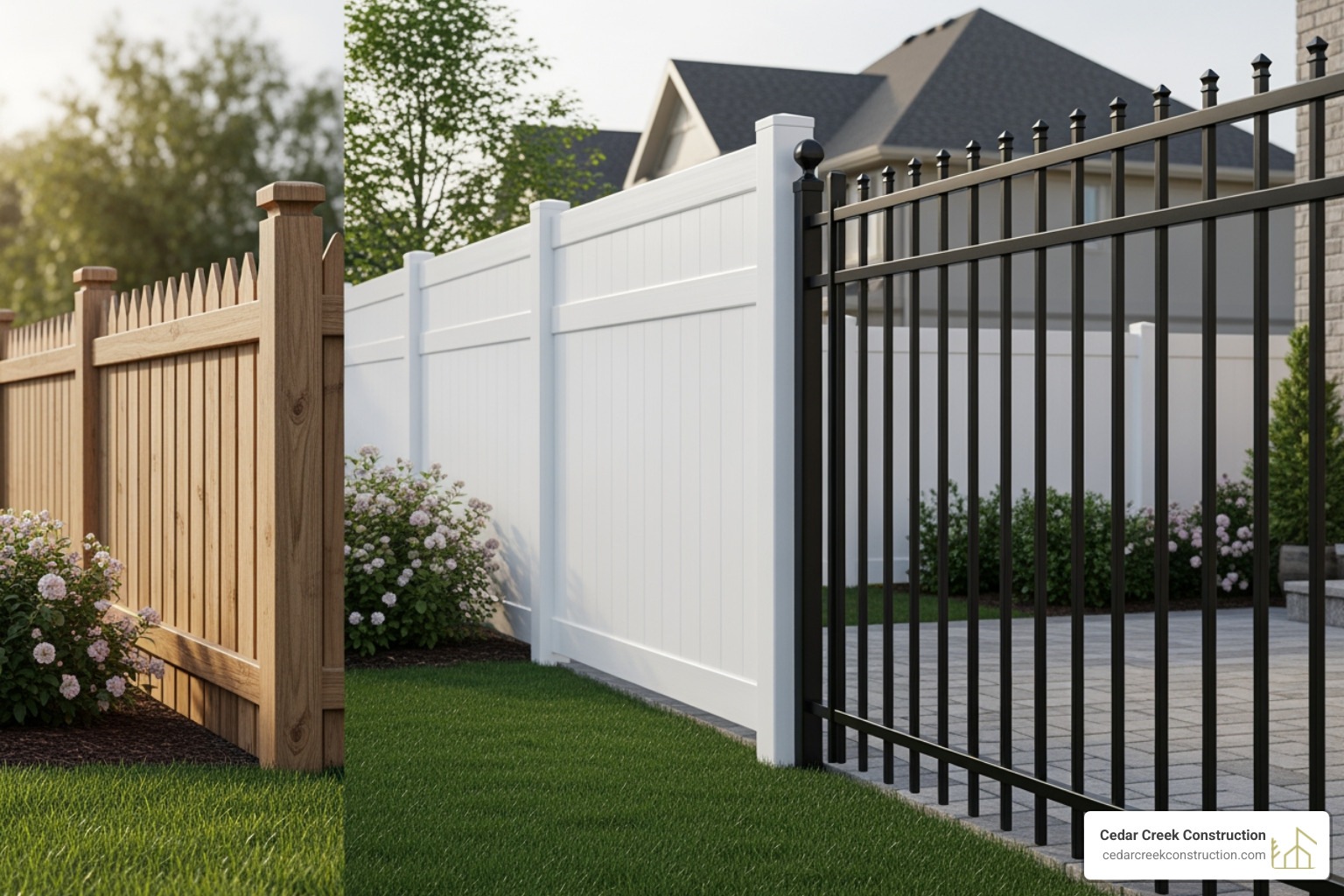 ### Wood Fence Repair Wood fences are beautiful but highly susceptible to the elements in the Lehigh Valley. **Common issues:** * **Rotting Posts or Slats:** The most frequent problem, especially at ground level, weakening the fence's structure. * **Warped Panels:** Humidity and sun exposure cause boards to twist, cup, or split. * **Insect Damage:** Termites and carpenter ants can compromise the fence's integrity from the inside out. * **Fading and Discoloration:** Sun exposure can bleach and weather the wood's natural color. **Repair services typically include:** * **Post Replacement:** Replacing a rotted or damaged post is often the best way to restore stability. * **Board/Panel Replacement:** Individual broken or rotted pickets or panels can be replaced to restore appearance and function. * **Staining and Sealing:** Applying a fresh coat of stain and sealant protects the wood from future moisture and UV damage. ### Vinyl and PVC Fence Repair Vinyl fences are low-maintenance and long-lasting but not immune to damage. **Common issues:** * **Cracks from Impact:** Extreme cold can make vinyl brittle, leading to cracks from impacts. * **Discoloration:** Lower-quality vinyl may experience chalking or slight discoloration from long-term UV exposure. * **Warping:** Intense heat can occasionally cause panels to warp if not installed correctly or if the material is poor quality. **Repair services typically include:** * **Panel Replacement:** Damaged interlocking panels can often be removed and replaced with a new one. * **Post Sleeve Repair/Replacement:** Cracked vinyl post sleeves can sometimes be repaired or, if severe, replaced entirely. * **Gate Adjustments:** Sagging or misaligned vinyl gates can be fixed by adjusting hinges or reinforcing the frame. ### Metal & Chain-Link Fence Repair Metal fences offer durability but have their own vulnerabilities. **Common issues:** * **Rust and Corrosion:** Iron and steel fences are prone to rust when exposed to moisture. * **Bent Posts or Rails:** Impact from vehicles or weather can bend metal components, compromising the structure. * **Sagging Chain-Link Mesh:** Over time, chain-link can stretch, sag, or detach from the top rail. * **Damaged Gates:** Metal gates can suffer from bent frames, broken welds, or faulty hinges. **Repair services typically include:** * **Rust Treatment:** Early-stage rust can be sanded, treated with an inhibitor, and repainted. * **Section Replacement:** Severely rusted or bent sections can be cut out and replaced. New chain-link mesh can be woven in. * **Tension Adjustments:** Re-tensioning chain-link mesh eliminates sagging and restores a taut appearance. * **Welding and Reinforcement:** Bent components on iron or aluminum fences can be straightened, re-welded, or reinforced. ## The Process of Fence Repair Allentown PA: From Quote to Completion Navigating the repair process is easier with the right professional. Here's how to handle your **fence repair Allentown PA** project from start to finish. ### Finding a Reliable Company for Fence Repair in Allentown, PA Choosing the right contractor is paramount. Look for a team with a proven track record of quality workmanship. * **Checking Experience:** Longevity signals reliability. Look for companies with decades of local experience, such as Montco Fence (since 1971), Anchor Fence (since 1979), and Lehigh Valley Fence Company (since 1979). * **Reading Online Reviews:** Use platforms like Angi or Google to gauge customer satisfaction. Creative Fence Company, for example, has earned the Angie's List Super Service Award annually since 2009. * **Verifying Licenses and Insurance:** This is non-negotiable. Ensure your contractor is licensed and carries liability insurance to protect you from accidents. * **Asking for a Portfolio:** A reputable company will gladly show you examples of their past work. * **Getting Multiple Quotes:** Contact several companies to compare pricing, proposed solutions, and timelines to understand fair market value. For more on our repair services, visit our page on [Fence Repairs](https://cedarcreekconstruction.com/fence-repairs/). ### Local Regulations and Permits Before starting a **fence repair Allentown PA** project, understand local rules. While minor repairs may not need a permit, significant changes often do. * **Allentown Permit Requirements:** The City of Allentown has specific codes governing fence construction and major repairs, including rules on height, setbacks, and materials. * **Fence Height Rules:** Front yard fences typically have different height limits than side and rear yard fences (e.g., 3.5 feet vs. 6 feet). Always verify. * **Property Line Considerations:** Know your exact property lines to avoid disputes with neighbors. * **HOA Guidelines:** If you're in an HOA, their rules on fence style, material, and height may supersede city ordinances. We advise checking with the **Allentown, PA municipal office** for the most current information. The city's website is a good resource: [http://www.allentownpa.gov/](http://www.allentownpa.gov/). A good contractor can help guide you, but compliance is the homeowner's responsibility. ### Understanding Costs and Warranties The cost of **fence repair Allentown PA** varies widely. * **Typical Cost Range:** Professional repairs can range from **$430 for minor fixes up to $4,500 or more** for extensive damage. * **Average Hourly Rate:** Fence installers in the area typically charge around **$50 per hour** for labor. * **Factors Affecting Price:** The final cost depends on the **materials** used, the **extent of damage**, the required **labor**, and site **accessibility**. * **What to Look for in a Warranty:** A good **workmanship guarantee** provides peace of mind. For example, some companies back their work for up to 5 years. This ensures that issues from faulty repair will be rectified at no cost. Always get warranty details in writing. ## Repair or Replace? Making the Right Decision for Your Fence One of the biggest dilemmas is deciding whether to repair a fence or invest in a full replacement. This choice for **fence repair Allentown PA** depends on several factors. For information on new installations, see our page on [New Fence](https://cedarcreekconstruction.com/new-fence/). ### When to Repair Your Fence Repair is often the most cost-effective solution in these situations: * **Minor Damage:** Localized issues like a few broken pickets, a single leaning post, or a gate adjustment don't compromise the whole fence. * **Less Than 25% of Fence Affected:** If less than a quarter of your fence is damaged, repairing those sections is more economical. * **Cost-Effectiveness:** The repair cost is significantly less than replacement and will extend the fence's life for several more years. * **Fence is Relatively New:** If your fence is still young (e.g., wood less than 10 years old), repairing it maximizes your initial investment. * **Localized Issues:** Problems like a broken hinge or a few rotted boards can be fixed without disturbing the rest of the fence. ### When to Replace Your Fence Sometimes, repair is a false economy. Consider replacement when: * **Widespread Damage:** If over 25-30% of the fence is damaged, replacement is often more cost-effective than cumulative repairs. * **Structural Integrity Compromised:** When multiple posts are leaning or the foundation is failing, the fence is no longer secure. Patching won't solve underlying structural problems. * **Constant Repair Needs:** If you're calling for **fence repair Allentown PA** every year, the fence has reached the end of its life. * **Outdated Style or Material:** Upgrading an old fence can boost curb appeal and property value, or allow you to switch to a lower-maintenance material. * **Age of the Fence:** Wood fences last about 15 years, while vinyl can last up to 30. If your fence is near or past its expected lifespan, replacement is often the smarter long-term choice. Here's a quick comparison to help you weigh your options: | Feature | Repair | Replace | | :---------------- | :---------------------------------------------- | :----------------------------------------------- | | **Cost** | Generally lower for localized issues | Higher initial investment | | **Time** | Quicker completion for minor fixes | Longer project duration | | **Material Life** | Extends life of existing fence | Fresh start, maximum lifespan for new material | | **Aesthetics** | Matches existing fence (may show wear) | Uniform new look, opportunity for upgrade | | **Structural** | Addresses localized weakness | Complete structural overhaul | | **Warranty** | Often covers specific repair work | Comprehensive warranty on new installation | ## Frequently Asked Questions about Lehigh Valley Fencing Here are answers to common questions we hear from homeowners in Allentown and the Lehigh Valley about **fence repair Allentown PA**. ### How much does fence repair typically cost in Allentown? The cost of **fence repair Allentown PA** varies, but generally ranges from **$430** for minor fixes to **$4,500 or more** for extensive work. Key factors influencing the price are the type of fence material, the extent of the damage, and labor costs, which average around **$50 per hour** in our area. For an accurate price, we always recommend getting a detailed quote from a reputable contractor. ### Do I need a permit for minor fence repairs in Allentown? It depends on the scope of the work. Generally, minor repairs like replacing a few pickets or fixing a gate hinge **do not require a permit**. However, major work that involves changing the fence's height or location, or replacing a substantial portion (e.g., over 25-50%), **will likely need a permit**. To be certain, always check with the **Allentown, PA municipal office** or their Department of Codes and Enforcement. You can find information on their website: [http://www.allentownpa.gov/](http://www.allentownpa.gov/). Also, remember to consult your HOA guidelines if you have one. ### How long does a typical fence repair take? The project duration for a **fence repair Allentown PA** can range from a few hours to several days. * **Small Jobs (Few Hours):** Simple tasks like tightening hardware or re-attaching a few pickets are usually quick. * **Medium Repairs (1 Day):** Replacing a single post or a small section of panels might take a full day. * **Larger Repairs (1-3 Days):** Projects involving multiple posts, several damaged sections, or re-tensioning a chain-link fence could take one to three days. The final timeline depends on the extent of the damage, material availability, and weather conditions. Ask your contractor for an estimated timeline with your quote. ## Your Next Step for a Secure and Beautiful Fence We've covered the essentials of **fence repair Allentown PA**, from spotting damage to deciding between repair and replacement. The key takeaway is clear: timely, professional repair is a vital investment in your home's security, privacy, and curb appeal. Ignoring fence issues leads to bigger problems and higher costs down the road. The Lehigh Valley's unique climate challenges demand expert attention to keep your fence in top condition. At Cedar Creek Construction, we provide high-quality, cost-effective solutions for your outdoor living needs, including comprehensive fence services. Our expertise ensures your fence is restored to its optimal condition. Don't let a failing fence compromise your peace of mind. If you're in Allentown, Coopersburg, Macungie, or anywhere in the Lehigh Valley, we're here to help. [Contact Us for your Lehigh Valley fence project](https://cedarcreekconstruction.com/new-decks/) and let us help you achieve a secure and beautiful fence that stands the test of time.](https://cedarcreek.stagewp.net/wp-content/uploads/2026/02/53f0941103ea03384fea40b7897dbd7fb783bbca-768x512.jpg)